The Hal W. Adams Bridge: Florida’s Forgotten Suspension Bridge
Hidden along a quiet stretch of State Road 51 just north of Mayo, the Hal W. Adams Bridge rises unexpectedly above the dark waters of the Suwannee River.
At first glance, it feels out of place, more like something you’d find in the mountains than deep in rural North Florida. But this bridge isn’t just unique, it’s historic, marking a bold moment when engineering ambition met the challenges of Florida’s wild landscape.
Before the Bridge: Ferries and Early Crossings
Before 1947, crossing the Suwannee River here wasn’t as simple as driving across.
Travelers relied on ferries and, later, an older truss bridge that had served the area for decades. That earlier structure, built around the early 1900s, struggled with age and the harsh river environment. Eventually, it became clear that a new solution was needed, something stronger, more reliable, and better suited to the terrain.
Why a Suspension Bridge?
When engineers began planning the replacement, they faced a major problem: the riverbed.
The Suwannee’s bottom was unstable, filled with deep holes and soft sediment that made it difficult to anchor traditional bridge supports. Instead of fighting the landscape, engineers adapted to it—choosing a suspension bridge design.
This decision was unusual, especially for Florida. Suspension bridges were typically reserved for large spans or mountainous regions, not rural highways in the Southeast.
A Florida First (1947)
Construction began in the mid-1940s, and on July 4, 1947, the bridge officially opened to the public. The result was groundbreaking:
Florida’s first suspension bridge
The only suspension bridge in the state to carry highway traffic
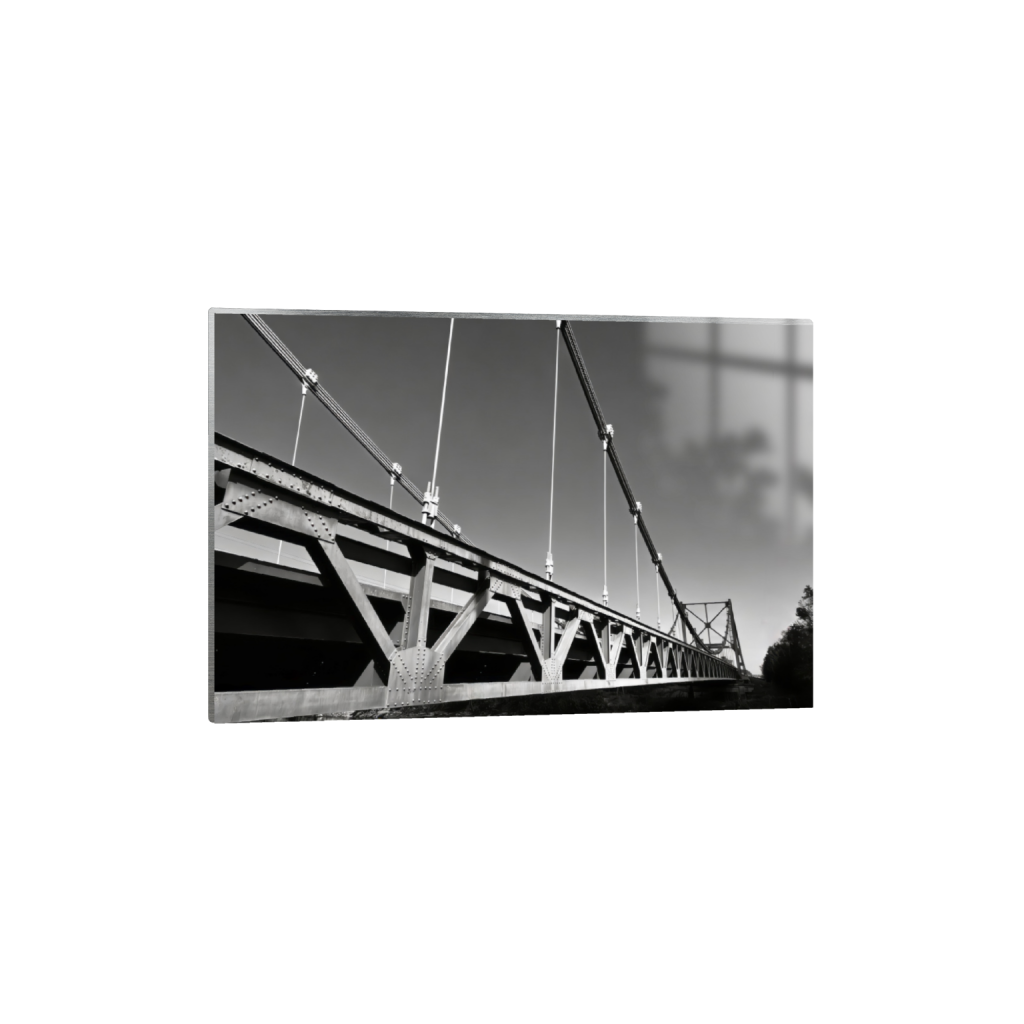
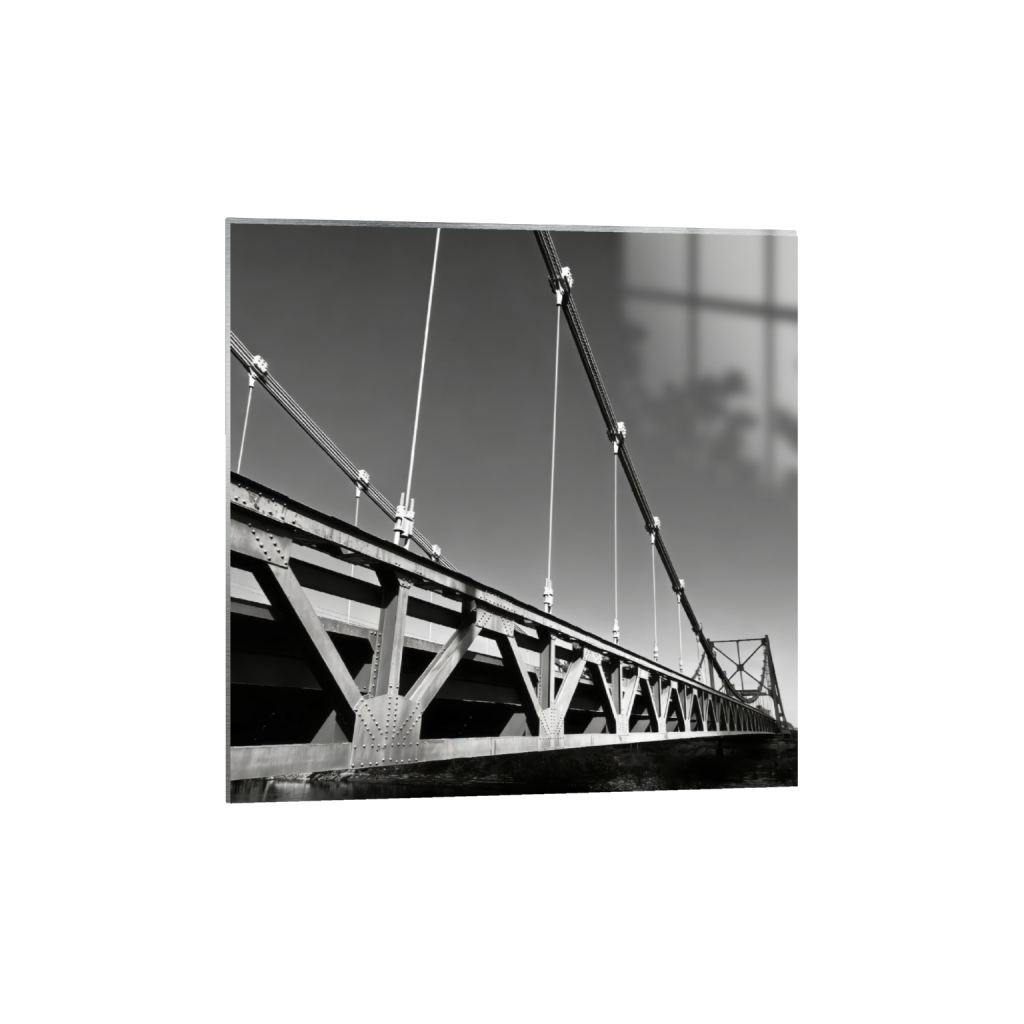
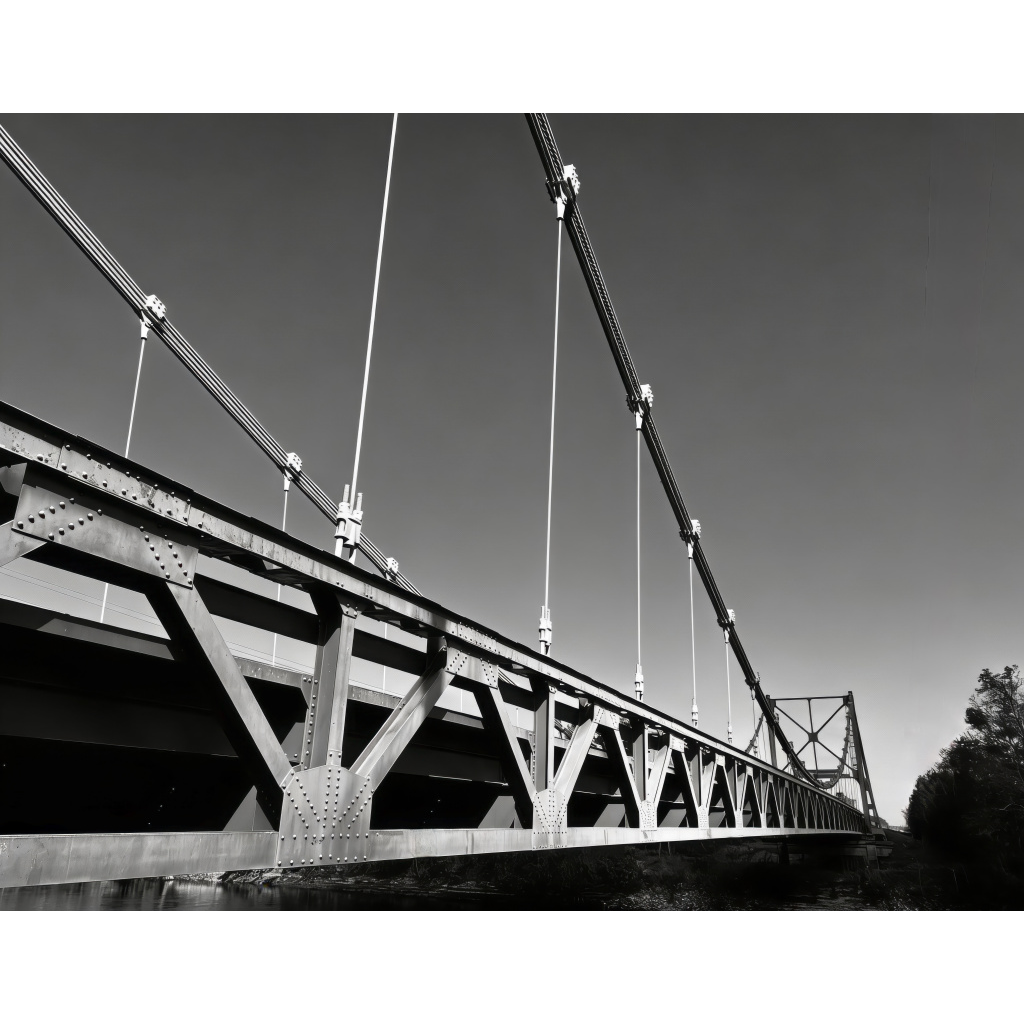
A 687-foot structure with a 420-foot main span supported by steel cables and towers
It was named after Hal W. Adams, a respected local judge who served both Lafayette and Suwannee counties, cementing his legacy in the region’s infrastructure.
Engineering in the Middle of Nowhere
Despite its relatively small size compared to famous suspension bridges, the Hal Adams Bridge is remarkably complex.
Its design includes:
Steel towers roughly 50 feet tall
Multiple wire cables rather than a single bundled cable
A stiffening truss system to stabilize the roadway
All of this was constructed in a remote, forested area, making it an impressive feat of mid-20th-century engineering.
A Lifeline for Rural Florida
For the communities around Mayo, the bridge was a lifeline. It connected Lafayette County to neighboring areas, improving access to jobs, goods, and services. What was once a slow, uncertain river crossing became a reliable route that supported the region’s growth and mobility.
Even today, the bridge continues to carry traffic along State Road 51, linking small towns across North Florida.
Preservation and Recognition
Over time, the bridge gained recognition for its uniqueness. In 1989, it was included in A Guide to Florida’s Historic Architecture, highlighting its significance as a rare example of suspension bridge design in the state.
It has also undergone maintenance and preservation efforts, like repainting and structural work to keep it functional while maintaining its historic character.
Further Reading: